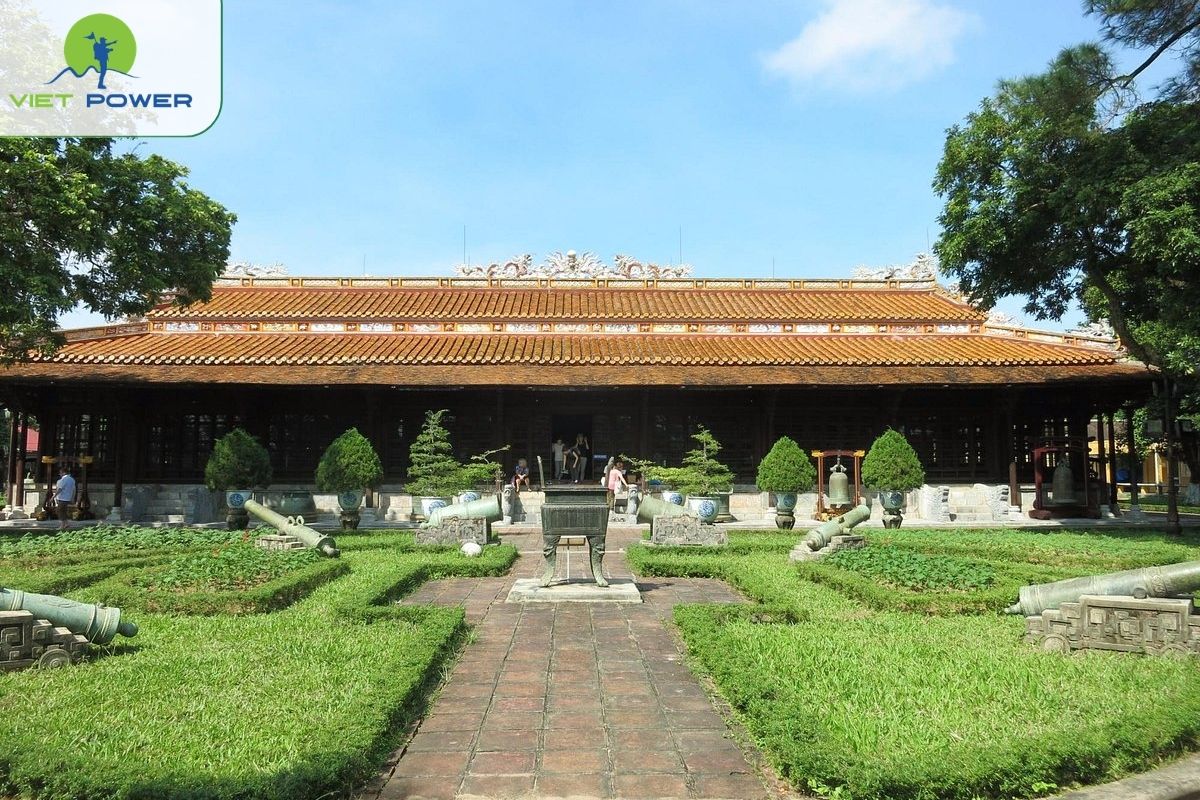
Hue Museum of Royal Antiquities is one of the best places to explore Hue’s imperial heritage in a clear and engaging way. Located in Long An Palace, the museum displays royal ceramics, imperial costumes, seals, furniture, ritual objects, and other Nguyen Dynasty relics that reflect court life and royal culture. This guide highlights the top things to see, helping visitors understand why the museum is a meaningful stop in Hue.
Vietpower Travel specializes in Vietnam tours that connect travelers with the country’s history, culture, and heritage in a practical way. For visitors planning a trip to Hue, our tours help combine major landmarks such as the Imperial City with valuable cultural stops like Hue Museum of Royal Antiquities, creating a fuller and more rewarding travel experience.
Hue Museum of Royal Antiquities gives visitors a deeper look at Hue’s imperial past through royal collections preserved inside Long An Palace. As one of the most meaningful cultural stops in the city, it helps connect the grand monuments of the Hue Citadel with the objects, rituals, and daily life of the Nguyen court.
Hue Museum of Royal Antiquities is located at 03 Le Truc Street, Hue City, within the wider Hue Citadel heritage zone.
The museum is housed in Long An Palace and sits near the Imperial City, around 700 meters from Dai Noi, so it is easy to include in a central Hue sightseeing route. This location makes it a convenient cultural stop for travelers exploring the royal heritage of Hue.
Yes, the Hue Museum of Royal Antiquities is included in the standard entrance ticket for the Hue Imperial City.
The general admission ticket to the Hue Imperial City (also known as the Citadel) costs 200,000 VND for adults and 40,000 VND for children aged 7 to 12. This single ticket grants you access to both the main Imperial City complex and the nearby museum, which is located just a short walk from the Citadel's entrance.
Most visitors need 60 to 90 minutes to explore Hue Museum of Royal Antiquities at a comfortable pace. This is enough time to see Long An Palace and the main collections, including royal ceramics, imperial costumes, seals, ritual objects, and Champa sculptures.
Travelers who enjoy history, court culture, photography, or museum displays in more detail may want to spend around 2 hours. A good time to visit is after the Imperial City, or in the early morning or late afternoon when the weather is more pleasant. This makes the museum an easy stop to add to a wider Hue heritage route.
Museums offer one of the clearest ways to understand Vietnam beyond scenery and food. They give travelers the background behind famous landmarks, explain how different regions developed, and bring together history, art, royal heritage, and local traditions in a way that is easy to follow. For anyone planning a cultural trip, adding a Museum in Vietnam to the itinerary can make other Vietnam Tourist Attractions feel more meaningful.
Let’s continue exploring more about Vietnam and all the incredible places it has to offer. Visit our Vietnam tourist attractions category to discover in-depth guides, travel ideas, and hidden gems across the country.
Hue Museum of Royal Antiquities offers more than a simple museum visit. Inside Long An Palace, visitors can see royal collections in a setting closely connected to Hue’s imperial past. The museum brings together palace architecture, Nguyen Dynasty artifacts, and Champa heritage, giving travelers a fuller view of court life, artistic taste, royal power, and cultural history in central Vietnam.
One of the museum’s strongest features is its location inside Long An Palace, a real royal building from the Nguyen period. This makes the visit feel more authentic because the architecture is already part of the historical experience.
The museum also stands out for the depth of its imperial collection and for the way it combines Nguyen court objects with a Champa sculpture collection.
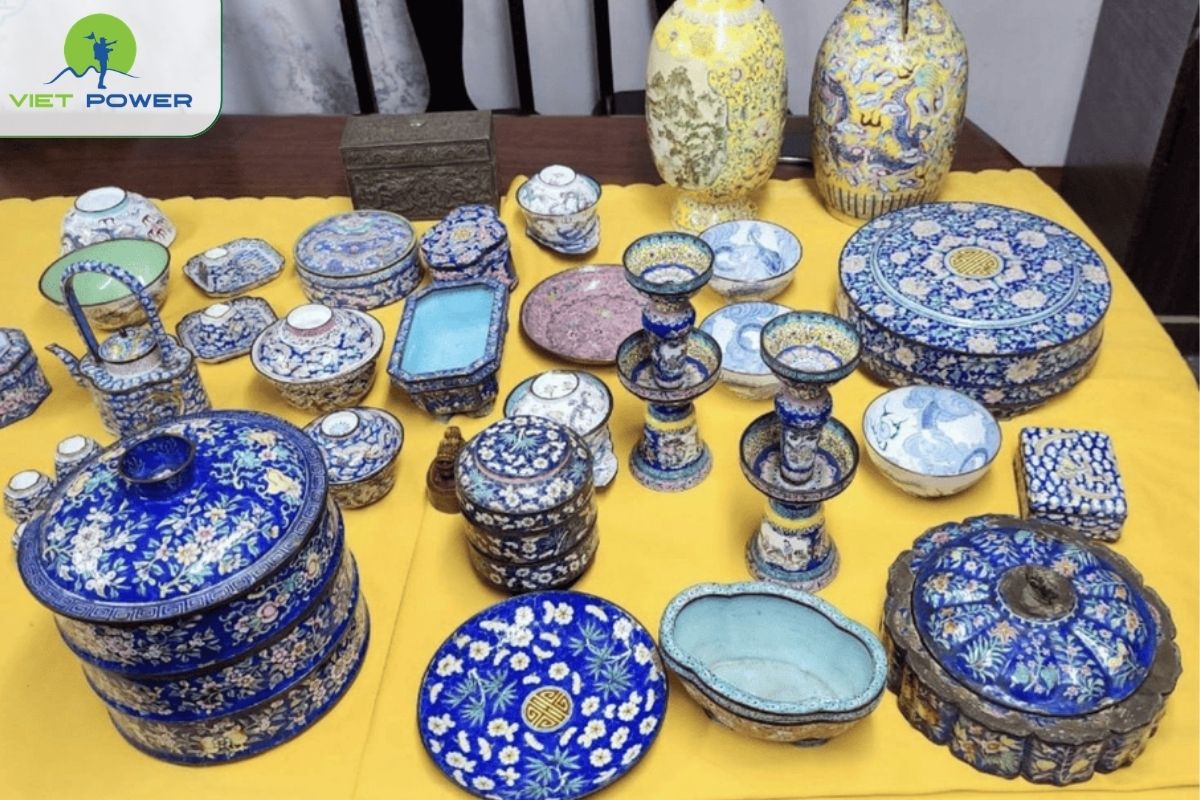
A major highlight is the museum’s collection of royal ceramics, especially the blue-and-white porcelain often associated with Bleu de Hue. These pieces reflect court taste, ceremonial use, and the refined decorative style of the Nguyen Dynasty. They are also among the most visually attractive objects in the museum.
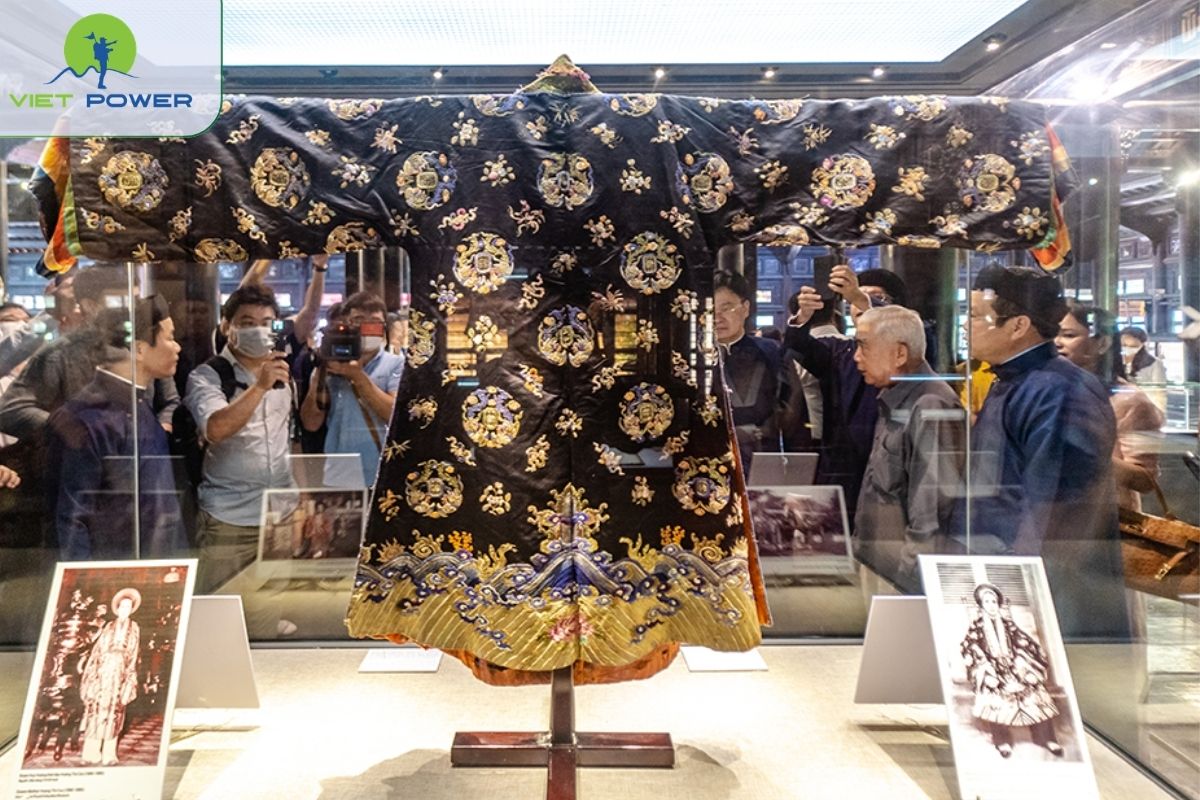
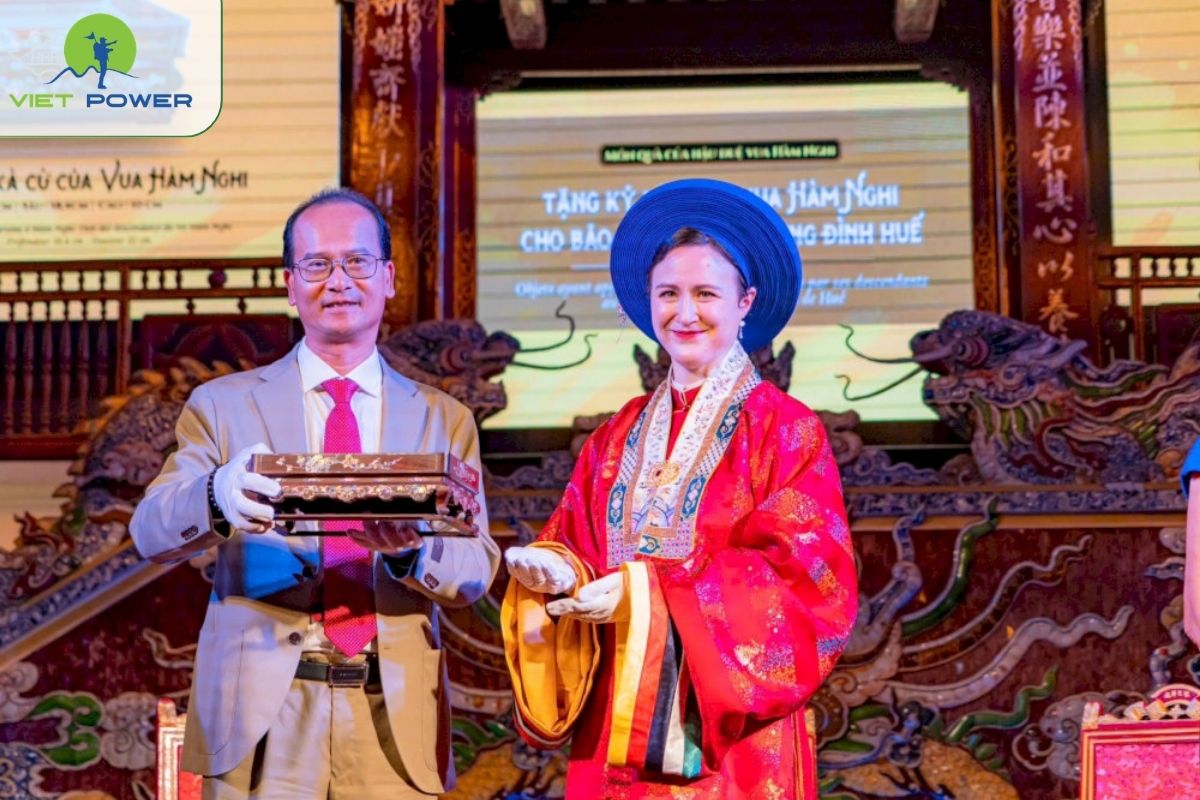
The museum preserves a valuable group of imperial costumes and royal garments linked to emperors, queens, and court members. These pieces help visitors understand rank, ceremony, and dress rules in the Nguyen court. Through color, embroidery, and design, the clothing shows how status was expressed inside the royal household.
Let’s explore more posts on this topic to discover even more about Vietnam:
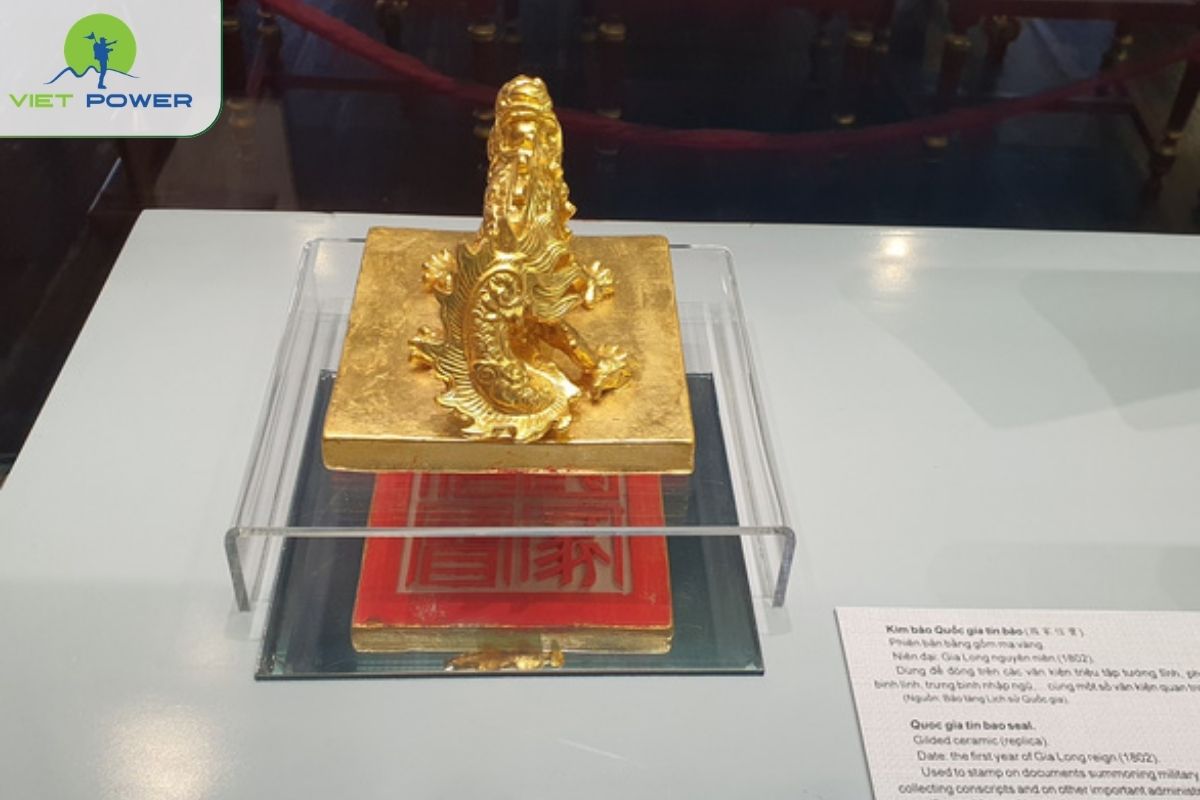
Another notable group includes royal seals, bronze objects, and ceremonial pieces connected to court authority and state ritual. These artifacts help explain how the Nguyen court expressed legitimacy, formal power, and political order. This section adds strong historical value to the museum experience.
Visitors can also see furniture, lacquered wood objects, and decorative palace pieces that reflect the physical setting of royal life. These artifacts show how court interiors were arranged and how beauty, hierarchy, and daily use came together inside imperial spaces.
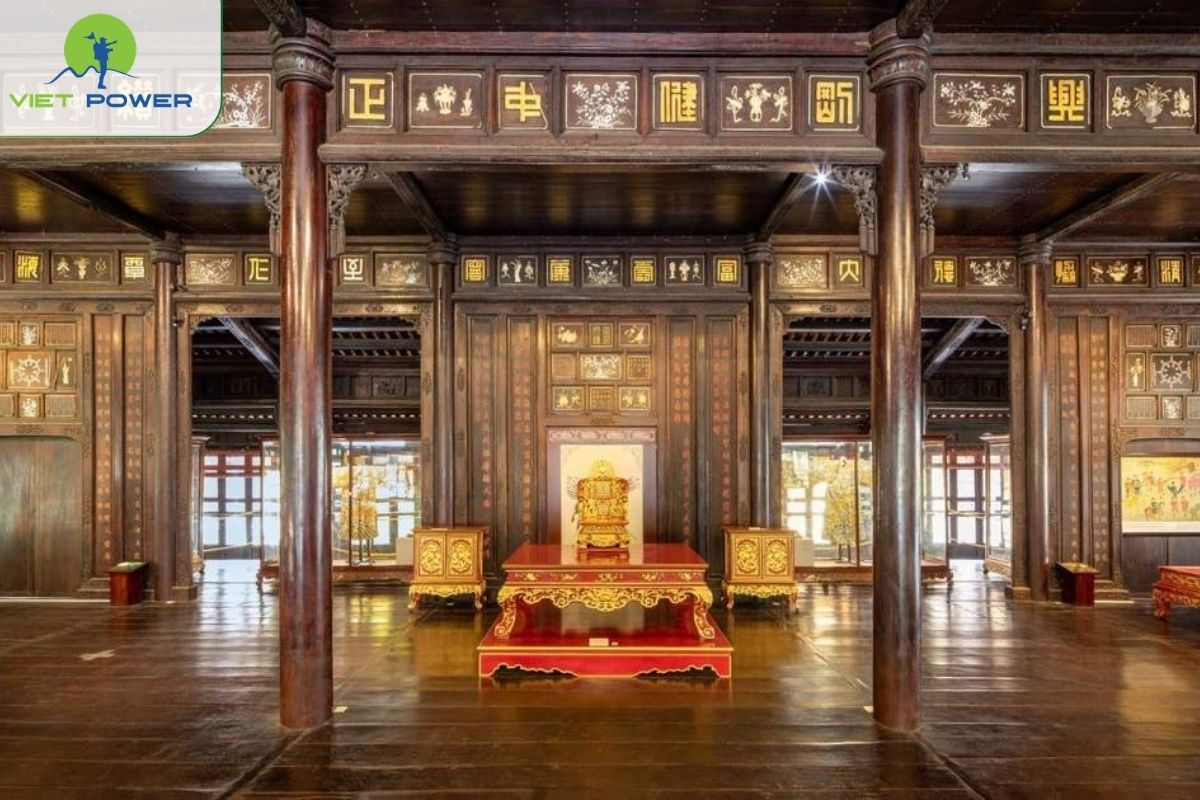
Musical instruments and ritual objects reveal another side of palace culture. They help explain court ceremonies, religious observance, and formal events in the Nguyen Dynasty. These displays show that imperial life in Hue was shaped by ritual and performance as well as politics.
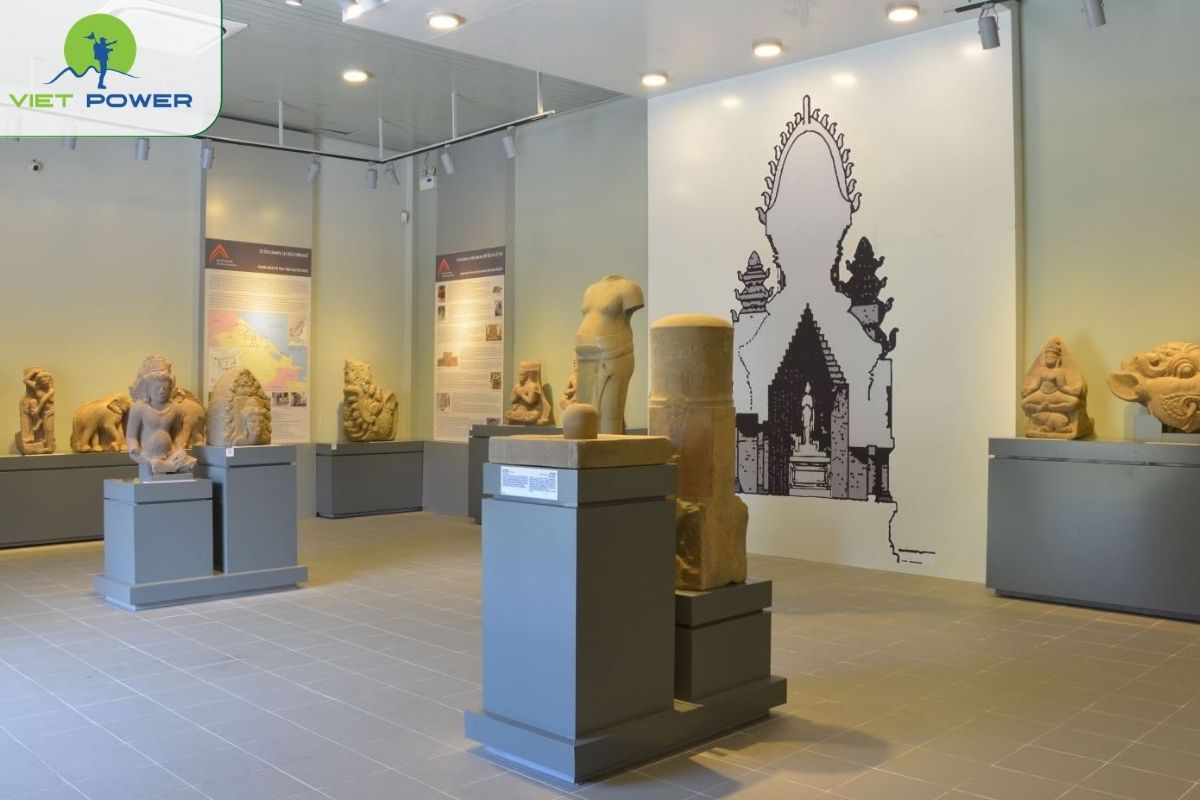
The museum’s Champa sculpture collection adds another historical layer to the visit. Rather than focusing only on Nguyen court material, the museum also introduces visitors to the earlier cultural history of central Vietnam. This makes the overall experience broader and more meaningful.
Taken together, the Nguyen Dynasty artifacts in the museum reveal much more than visual beauty. Seals and official items show royal power and administration. Costumes and furniture reflect hierarchy and daily life.
Ritual objects and musical instruments show how ceremony shaped court culture. Because of this, the museum helps visitors understand Hue as a lived imperial center rather than only a historic site.
Continue exploring similar posts to learn more about Vietnam’s attractions and experiences:
A few simple choices can make the visit smoother and more enjoyable. Since the museum is part of a wider Hue heritage route, it is best to plan it as a cultural stop that fits naturally with nearby royal sites.
Wear light, respectful clothing and comfortable shoes, especially if you plan to combine the museum with the Imperial City. In hot weather, bring water, a hat, and sun protection. If you enjoy reading exhibit labels and taking your time, it also helps to keep your schedule flexible.
You can usually take photos for personal use, but it is best to follow on-site rules and avoid flash where restricted. Be mindful of display areas, keep a respectful distance from artifacts, and avoid blocking other visitors while taking pictures.
Hue Museum of Royal Antiquities offers a meaningful way to understand Hue’s imperial past through its collections, architecture, and cultural depth. From royal ceramics and court costumes to ritual objects and Champa sculptures, each display adds another layer to the story of the Nguyen Dynasty. With its central location and manageable visit time, the museum fits easily into any Hue itinerary while enriching the overall travel experience.
Plan your journey today with Vietpower Travel and immerse yourself in the timeless beauty of Hue, where royal heritage, cultural treasures, and historic charm come together to create one of the most memorable travel experiences in Vietnam
Please kindly send us your ideas about the tours: destinations, attractions, your group, hotel class... we will get back to you with details & best offers quickly. Surely, you will feel satisfactory!
 |
 |
 |
 |
 |
 |

.jpg) Customize Your Trip
Customize Your Trip
 Vietnam Tours
 Thailand Tours
 Laos Tours
 Indonesia Tours
 Cambodia Tours
 Myanmar Tours