The Ho Chi Minh City Museum is one of the most meaningful cultural stops in District 1, offering a clear view of Saigon’s history, architecture, and urban development. Located in a historic French colonial building, the museum presents artifacts, maps, photographs, and exhibitions that reflect how the city has changed over time.
Vietpower Travel is a trusted Vietnam tour operator that helps travelers explore the country through well-planned cultural journeys and local insight. For visitors who want to understand Ho Chi Minh City more deeply, this museum is a valuable stop that adds historical context and cultural depth to a broader Vietnam travel experience.
For travelers exploring central Saigon, this museum offers a meaningful cultural stop between the city’s better-known landmarks. It suits visitors who want a clearer sense of how Saigon grew through different historical periods, while still fitting easily into a half-day plan with Vietpower Travel. As one of the most rewarding Vietnam Tourist Attractions for culture-focused travelers, it adds historical depth to a District 1 itinerary.
The Ho Chi Minh City Museum is located at 65 Ly Tu Trong Street, Ben Nghe Ward, District 1, Ho Chi Minh City.
It stands in one of the most accessible parts of the city center, close to major roads and within easy reach of several well-known landmarks.
The setting makes it simple for travelers to combine the museum with other stops in the same area, especially if they plan to visit Independence Palace, Notre-Dame Cathedral, or the Central Post Office on the same day.
The museum is generally open daily from 7:30 AM to 5:00 PM.
The standard entrance fee is 30,000 VND per adult, while students may receive a reduced rate of 15,000 VND with a valid student card. Children under six are usually admitted free.
Most visitors can explore the museum in about one to two hours. A shorter visit works well for travelers who want a brief cultural stop before moving on to nearby attractions. A slower visit is better for those who enjoy reading exhibit descriptions, studying the architecture, and spending more time with the historical displays.
Explore more posts within this topic and uncover even more of what makes Vietnam such a captivating destination. Head to our Vietnam tourist attractions category for travel insights, guides, and must-visit spots across the country.
The story of this museum begins long before its galleries opened to the public. Its historical role and architectural character are closely linked, which is why the building itself leaves such a strong impression on visitors. For many travelers, this stop offers a deeper way to understand how Saigon changed through different eras while still preserving traces of its earlier identity.
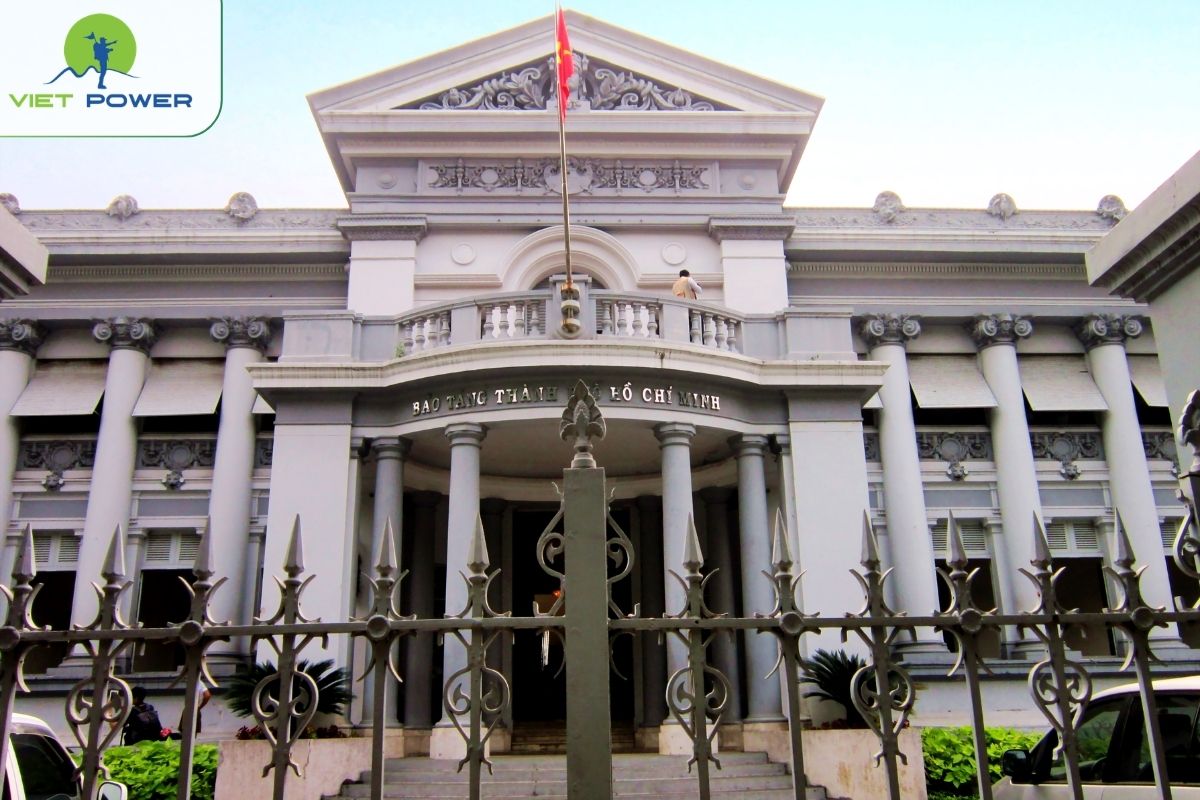
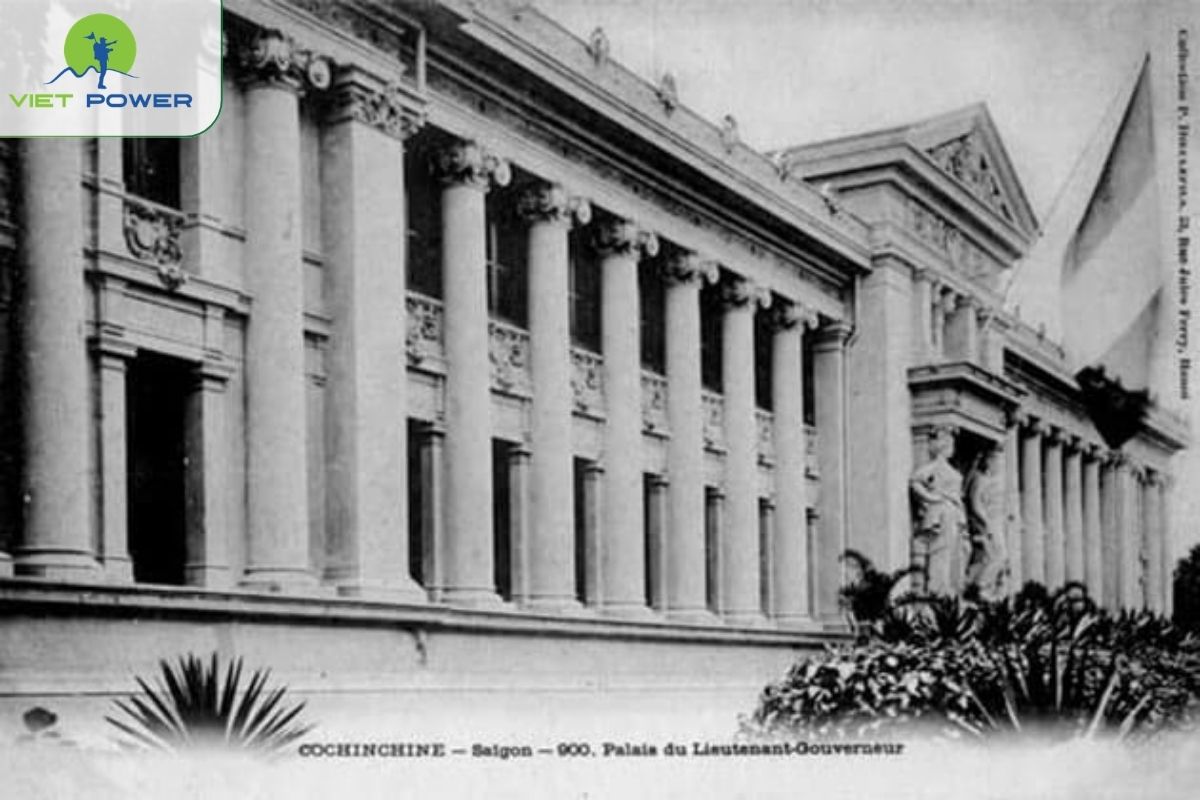
The building was constructed between 1885 and 1890 during the French colonial period. It was first planned as a commercial museum, yet after completion, it took on a different role and became an official residence for senior colonial administrators.
Over the following decades, the site passed through several political phases and served different governments and institutions, reflecting the shifting history of Saigon across the twentieth century. After 1975, it gradually moved into a public cultural role, and in 1999 it officially became the city museum known today.
Architecturally, the museum stands out as a fine example of French colonial and neoclassical design. The structure was designed by Alfred Foulhoux and features a balanced façade, grand columns, arched openings, and an elegant central staircase. Western design principles are visible throughout the exterior, while some decorative elements and roof features reflect local adaptation.
This blend gives the building a graceful presence and makes it memorable even before visitors begin exploring the collections inside.
This building carries value far beyond its role as a museum space. It stands as a heritage landmark in central Saigon, with each period of use adding another layer to its meaning. Visitors come here to see collections, but they also experience a place where political history, urban memory, and architectural beauty come together in one setting.
Museums offer one of the clearest ways to understand Vietnam beyond scenery and food. They give travelers the background behind famous landmarks, explain how different regions developed, and bring together history, art, royal heritage, and local traditions in a way that is easy to follow. For anyone planning a cultural trip, adding a Museum in Vietnam to the itinerary can make other Vietnam Tourist Attractions feel more meaningful.
Inside the museum, visitors can explore the story of Saigon through galleries on archaeology, urban development, trade, culture, revolutionary history, and Vietnamese currency. The exhibits help connect the city’s past with the streets and landmarks visitors see in Ho Chi Minh City today.
The museum displays a wide range of historical materials, such as stone tools, pottery fragments, burial objects, old maps, administrative records, trade-related items, and archival photographs.
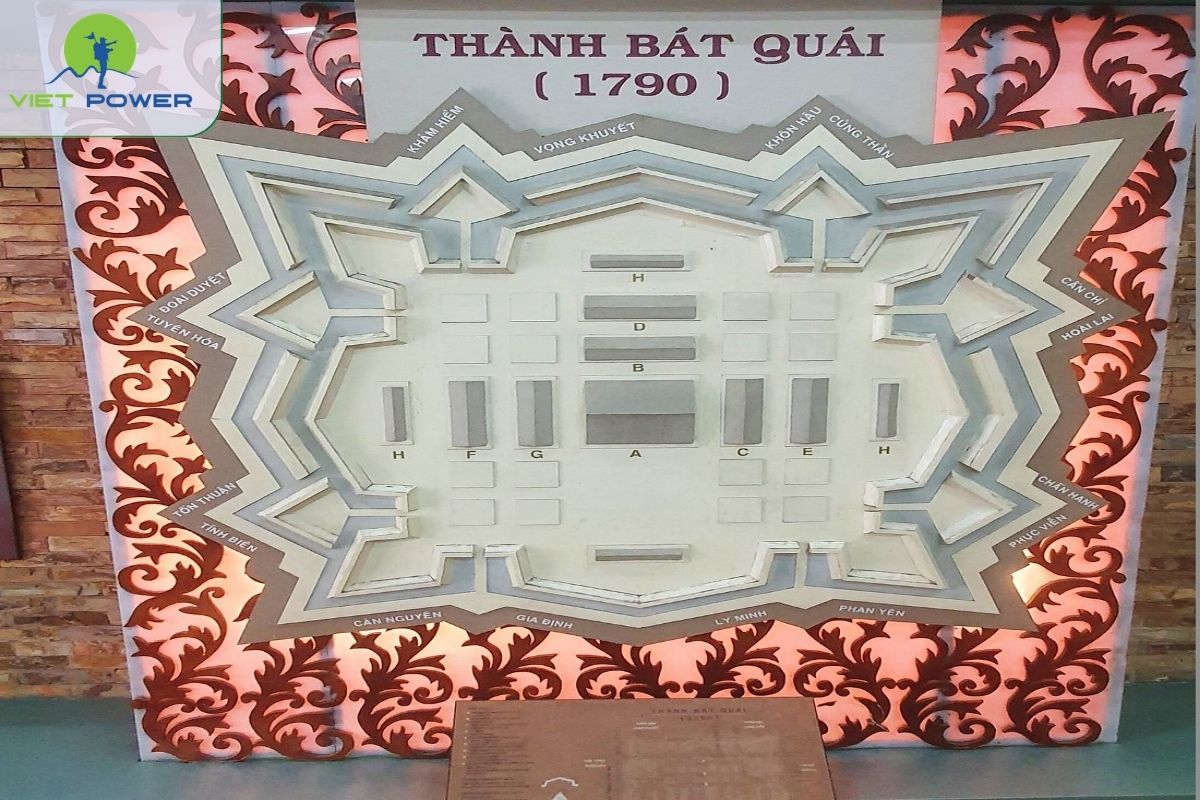
Among the more notable pieces are the Bat Quai Citadel model and the bronze seal “Ta Quan Chi An” associated with Le Van Duyet. Together, these objects give visitors a clearer view of the city’s early formation and later development.
The cultural galleries introduce the traditions and daily life of the communities that helped shape Saigon, including Vietnamese, Hoa, Khmer, and Cham groups.
Visitors can see displays related to traditional weddings, folk beliefs, cai luong costumes, stage accessories, and musical instruments. These sections offer a closer look at the customs and cultural life that have long been part of the city.
The revolutionary galleries focus on the periods 1930–1954 and 1954–1975, with displays of wartime relics, documentary photographs, protest materials, and resistance memorabilia.
They highlight student movements, urban struggle, and key moments in the fight for independence and reunification. One object that often draws attention is the two-bottom boat once used to transport weapons and documents in the Saigon area during the war.
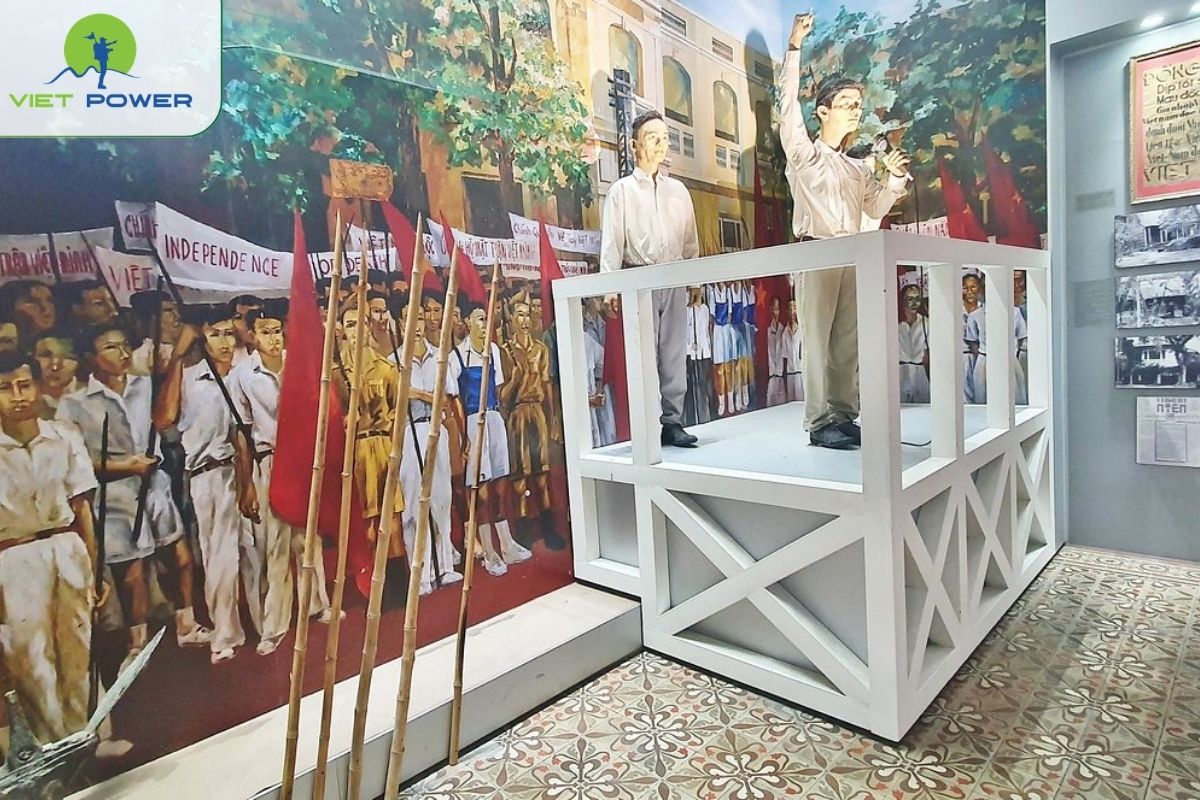
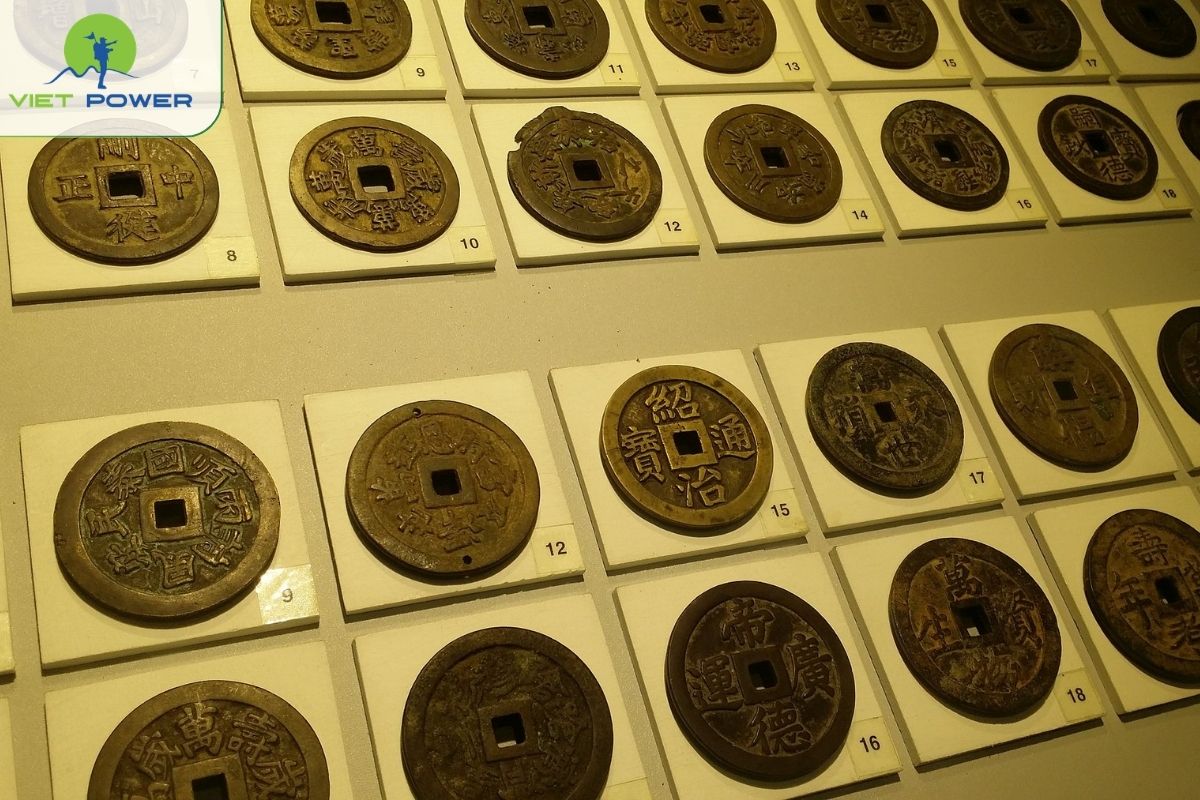
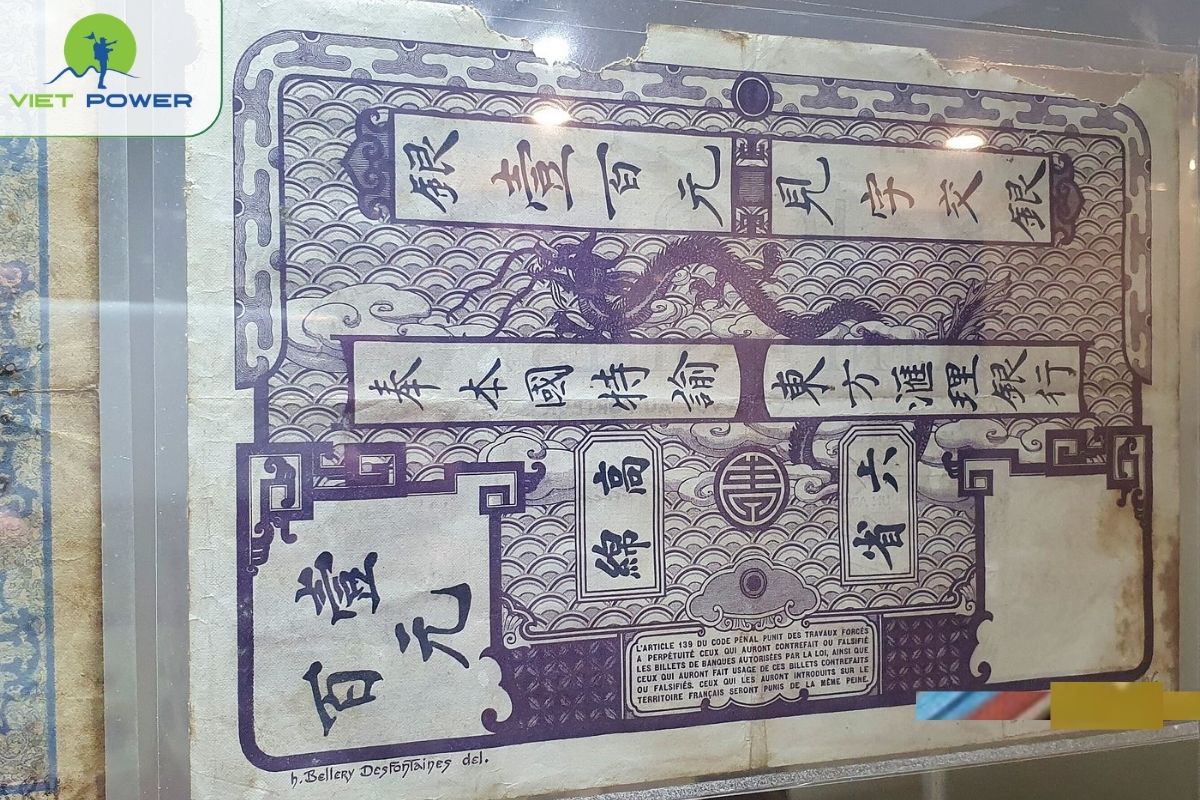
Visitors can also explore the Vietnamese currency gallery, which includes metal coins, paper notes, and printing-related objects from different periods.
Some of the rarer items in the museum’s collection include the Hoa Loc ceramic pedestal bowl, the Tam Quan Dai De statue set, the 5-dong printing plate, and the bronze seal “Luong Tai Hau Chi An.”
Another feature that makes the visit more memorable is the underground bunker, which reflects the building’s political past and adds another layer to the museum experience
Discover more posts on the same topic to deepen your travel inspiration:
The exhibits cover three main historical periods: early settlement and archaeology, Saigon under Vietnamese and French rule, and the revolutionary period leading to modern Ho Chi Minh City. This structure helps visitors understand how the city developed across different stages of its history.
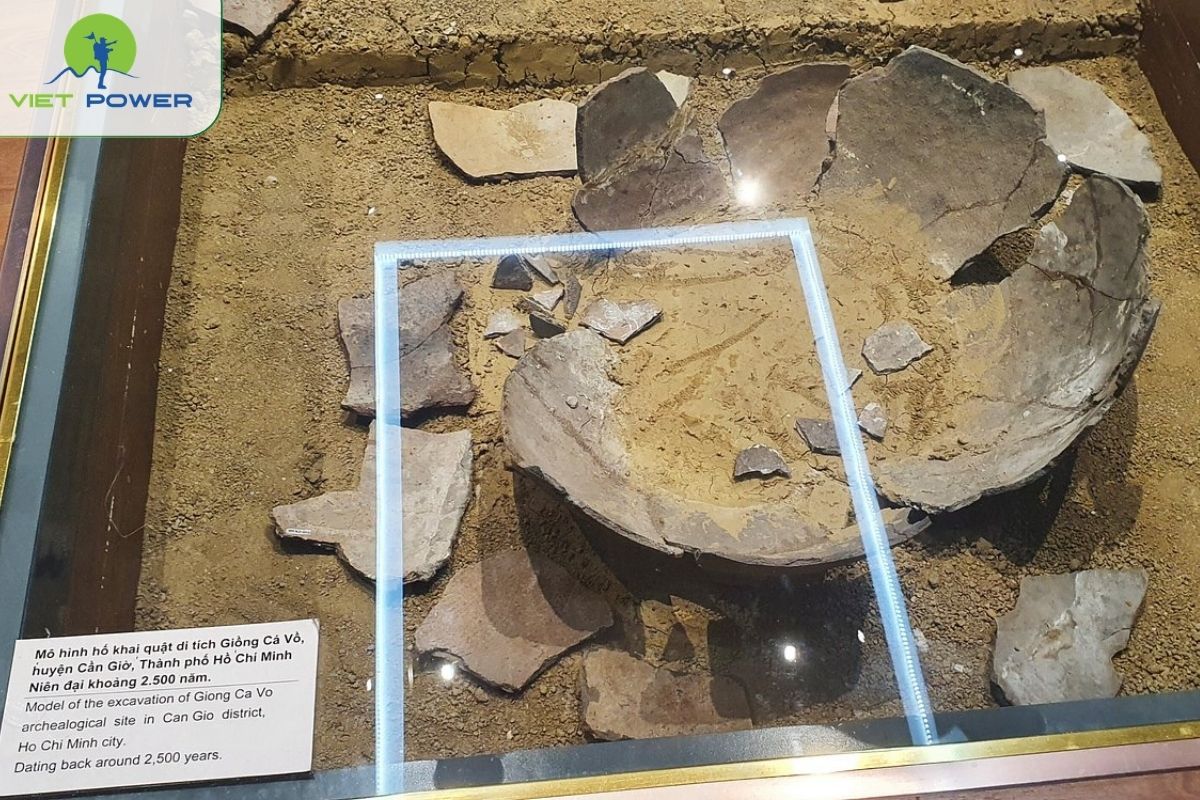
This section focuses on the earliest communities in the region, with objects dating back around 2,000 to 3,000 years. Visitors can see stone axes, stone hoes, ornaments, pottery fragments, and burial objects found at sites such as Ben Do, Go Sao, and Rong Bang.
This period covers the city’s growth under Vietnamese administration and its transformation during the French colonial era.
The displays include old maps, administrative records, urban models, and trade-related objects that show how Saigon developed in terms of governance, urban planning, and commerce. This section helps visitors see how the city changed from an early settlement into a colonial and administrative center.
The later galleries focus on the twentieth century, especially the periods 1930–1954 and 1954–1975. Visitors can see revolutionary documents, protest materials, wartime relics, and documentary photographs related to resistance movements, student activism, and urban struggle.
These exhibits then connect to the city’s transition after reunification, helping explain how Saigon became present-day Ho Chi Minh City.
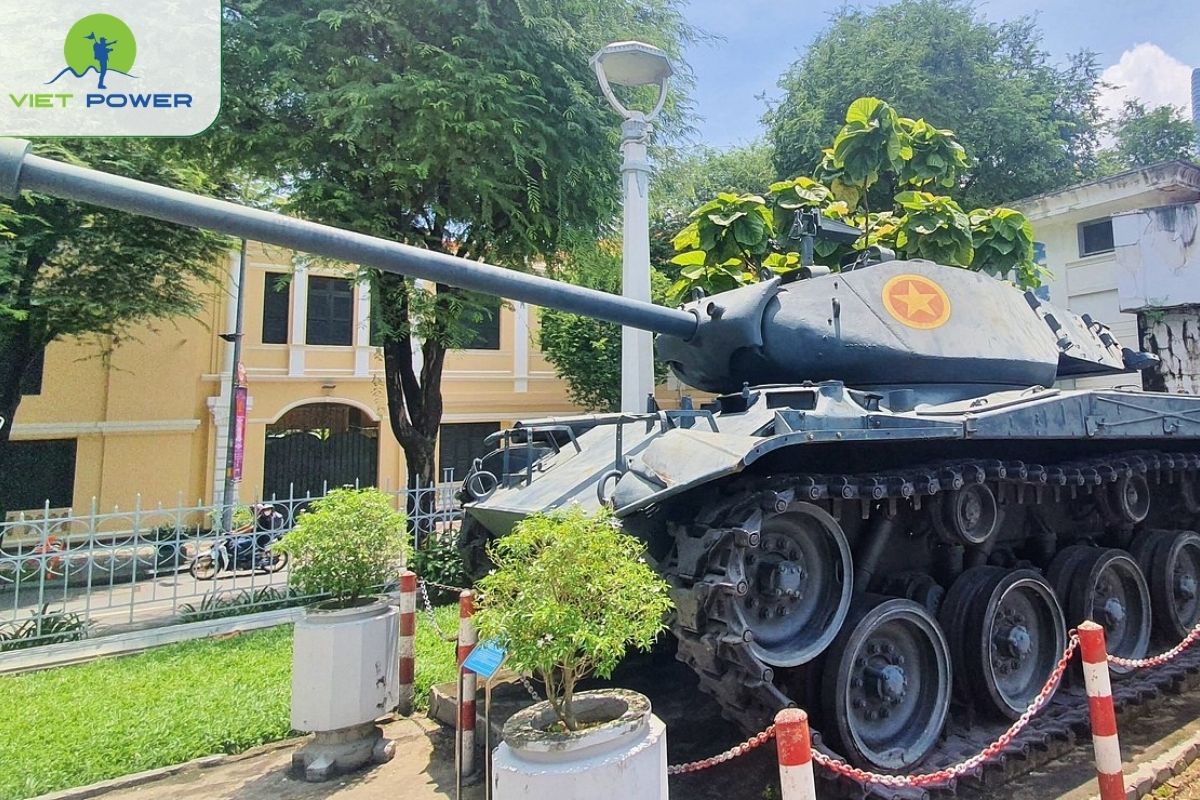
You can find more posts related to this topic in the category below:
The museum is located in the heart of District 1, making it easy to reach several major landmarks on foot. This central position allows travelers to combine the Ho Chi Minh City Museum with other well-known stops in a short and convenient itinerary.
Some of the city’s most recognizable historical sites are only a short walk from the museum. These landmarks work well together because each one adds a different layer to the story of central Saigon.
|
|
|
|
|
|
|
|
|
|
|
|
|
|
|
|
|
|
|
|
|
|
|
|
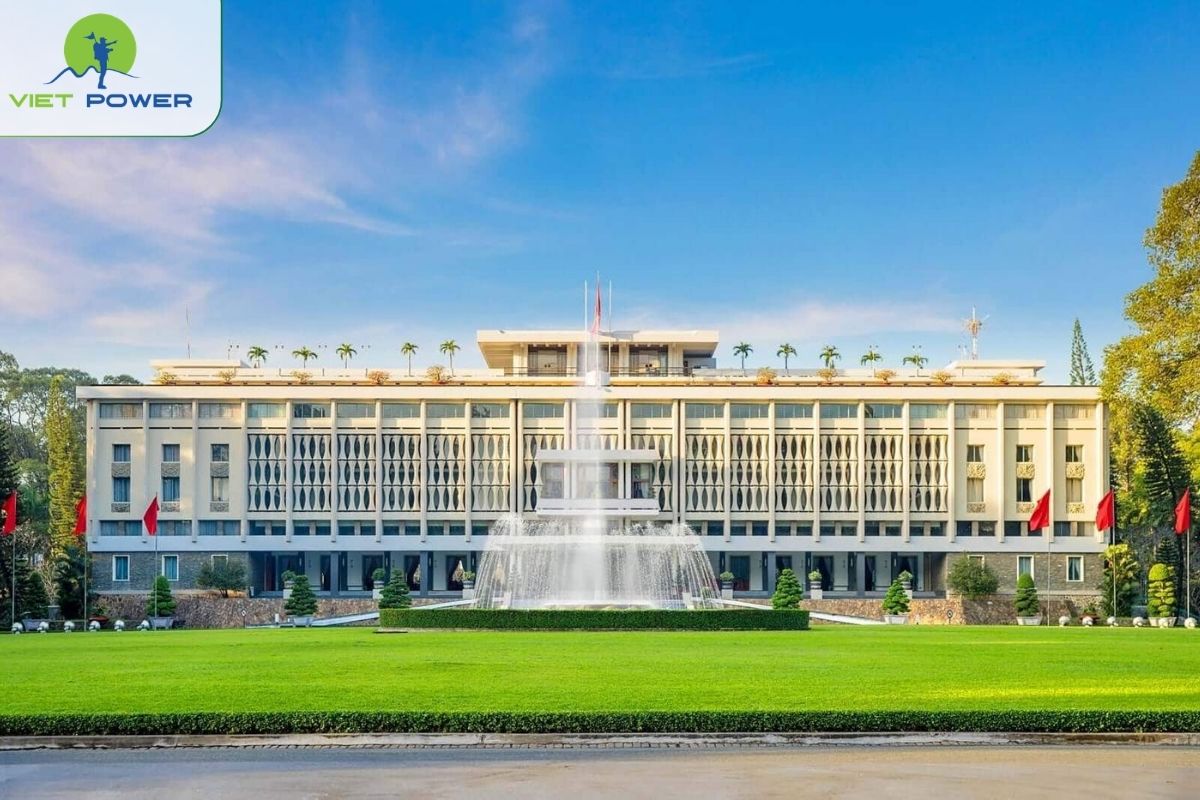
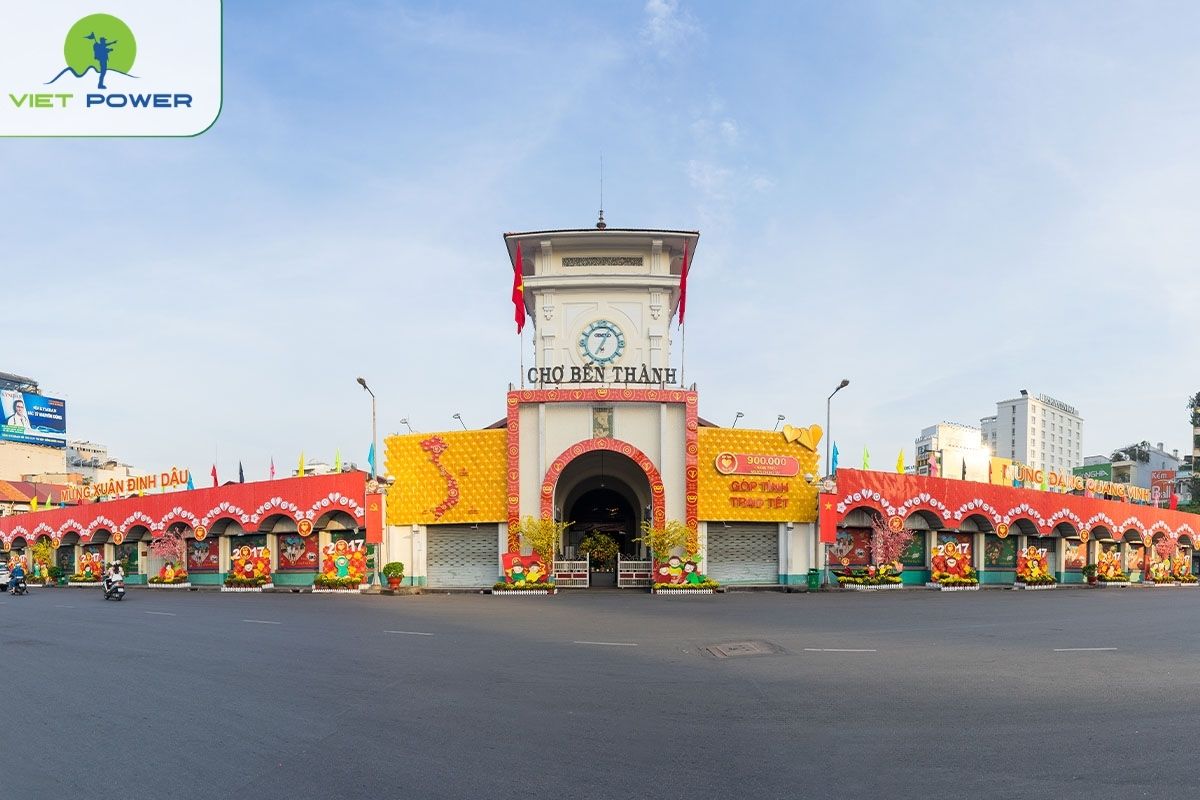
Beyond the main historical landmarks, visitors can continue to several other popular places nearby. These stops add variety to the route, from local shopping and street life to quieter cultural corners and elegant colonial architecture.
|
|
|
|
|
|
|
|
|
|
|
|
|
|
|
|
|
|
|
|
|
|
|
|
|
|
|
|
|
|
From breathtaking scenery to local experiences, Vietpower Travel can design a Vietnam tour that matches your travel style.
Yes, it is worth visiting, especially for travelers who want to understand Saigon beyond its modern streets and landmarks. The museum gives a clearer view of how the city developed through archaeology, urban change, culture, trade, and revolutionary history, all inside a historic building in central District 1. Because it is easy to reach and does not require too much time, it works well for visitors who want a meaningful cultural stop during the day.
The museum is a good fit for several types of visitors, especially:
Several things make the museum worth including in a District 1 itinerary.
First, its central location makes it very convenient to visit, as it sits within walking distance of key landmarks such as Independence Palace, Notre-Dame Cathedral, and the Central Post Office. This allows travelers to combine multiple highlights in one smooth route without spending extra time on transportation.
Second, the building itself is a historic French colonial structure, so visitors can appreciate its architecture, layout, and design while exploring the exhibitions inside. This adds another layer to the experience, as the setting reflects the city’s past as much as the collections do.
Third, the museum offers clear and structured historical content, with galleries covering archaeology, early settlement, urban development, trade, culture, and wartime history. This helps visitors understand how Saigon changed over time, rather than seeing each landmark as a separate place without context.
Finally, the museum is affordable and easy to manage, with a low entrance fee and a typical visit time of around one to two hours. This makes it a practical choice for travelers who want a meaningful cultural stop without adjusting their overall schedule.
The museum offers a well-rounded experience through its central location, historical collections, and architectural value. It is easy to visit, affordable, and provides useful context for exploring the city, making it a worthwhile stop for travelers spending time in District 1.
As part of a broader itinerary, it helps connect key landmarks and adds depth to your journey through Ho Chi Minh Tourist Attractions. Plan your trip with Vietpower Travel and experience Vietnam and Ho Chi Minh City through a richer and more meaningful perspective
Please kindly send us your ideas about the tours: destinations, attractions, your group, hotel class... we will get back to you with details & best offers quickly. Surely, you will feel satisfactory!
 |
 |
 |
 |
 |
 |

.jpg) Customize Your Trip
Customize Your Trip
 Vietnam Tours
 Thailand Tours
 Laos Tours
 Indonesia Tours
 Cambodia Tours
 Myanmar Tours